Farmer & Agriculture Development
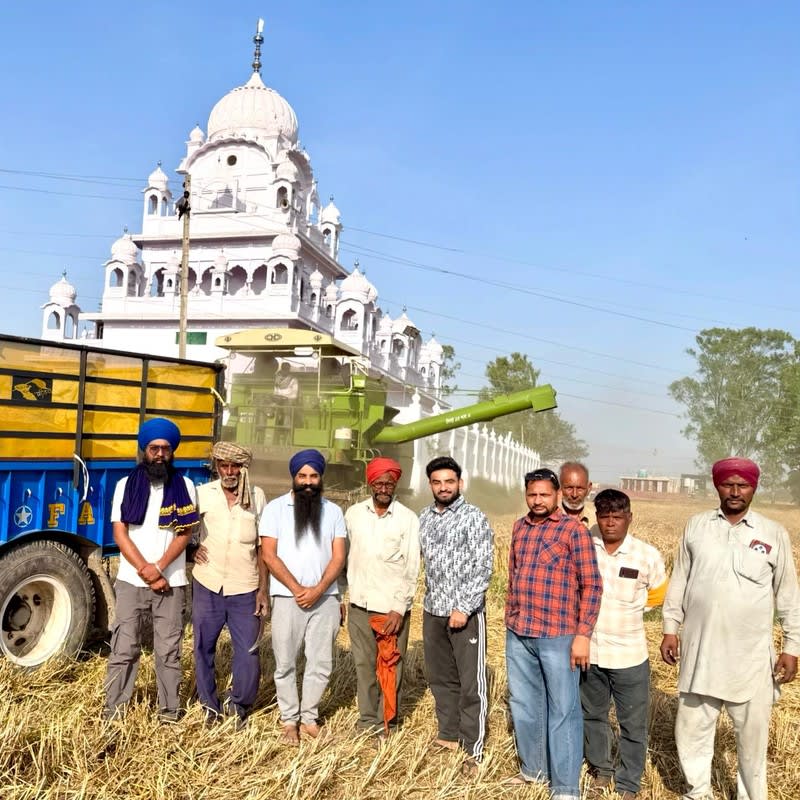
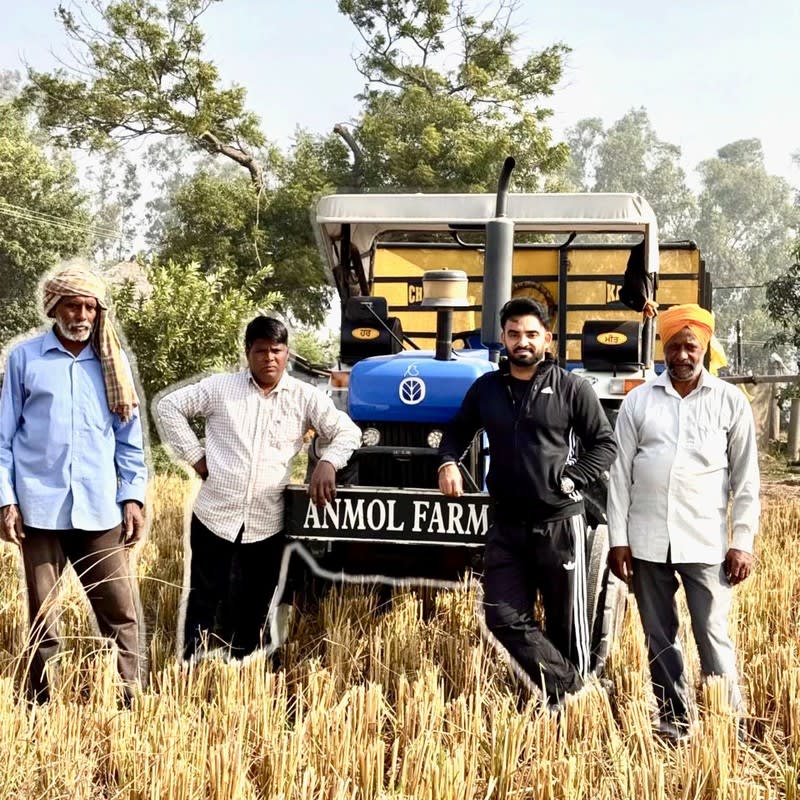
Empowering Rural India Through Sustainable Agriculture
Helping farmers adopt modern techniques, improve crop yield, and access better resources as a trusted NGO in India and a leading livelihood NGO in India supporting sustainable rural development.
150+
Happy Volunteers
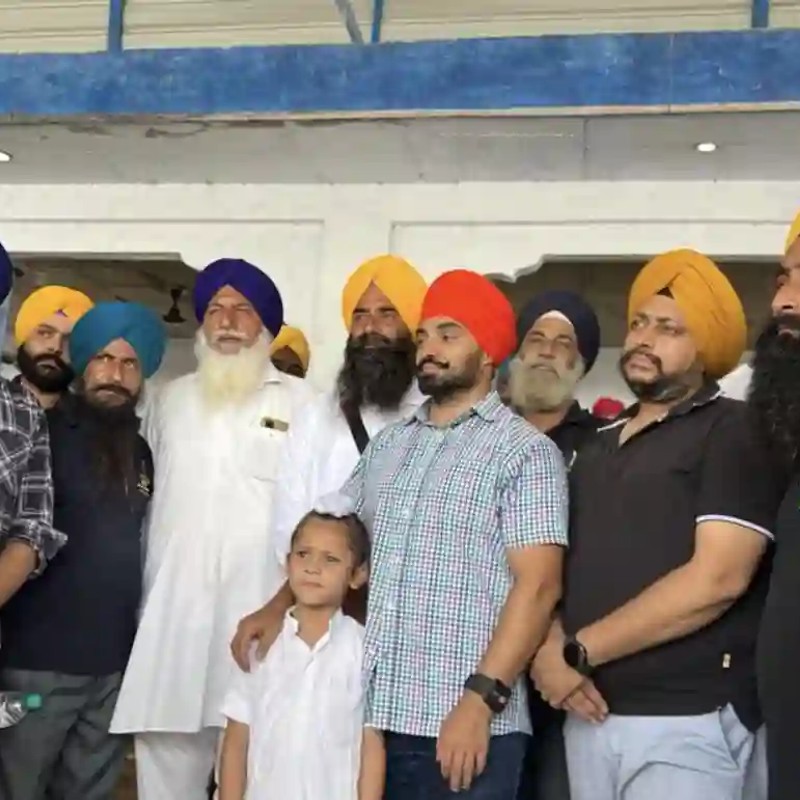
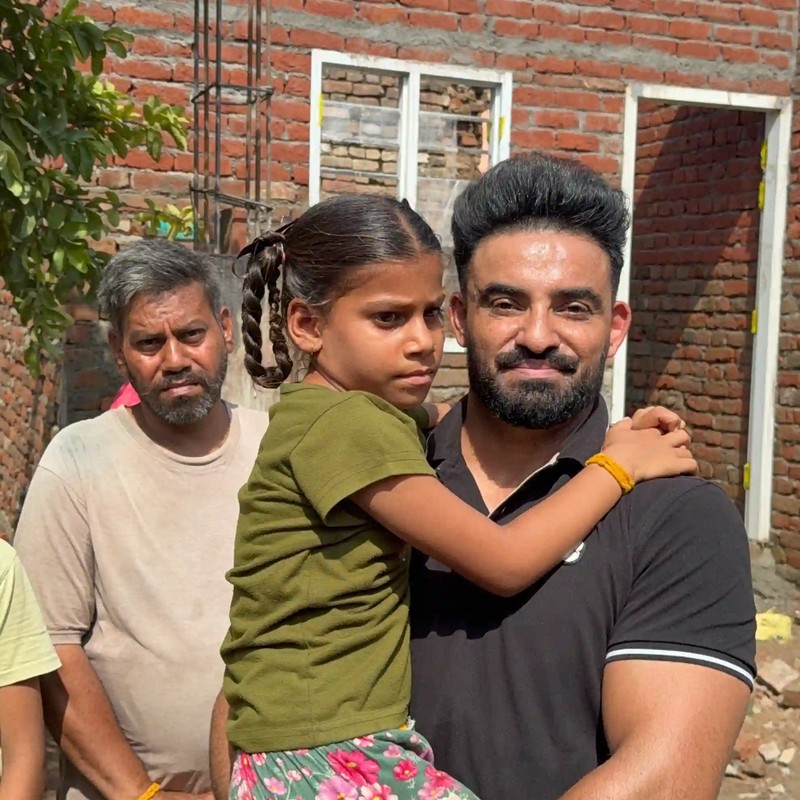
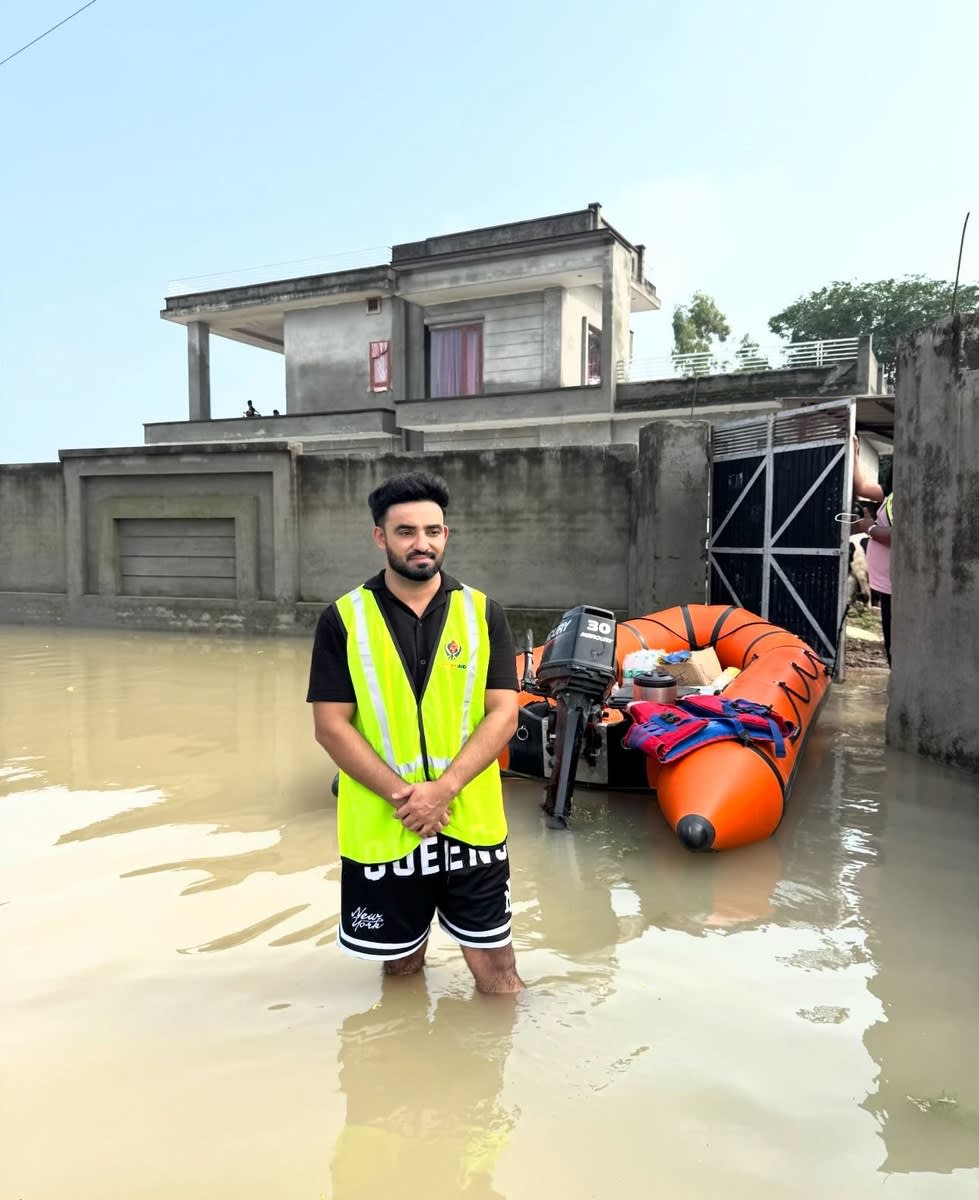
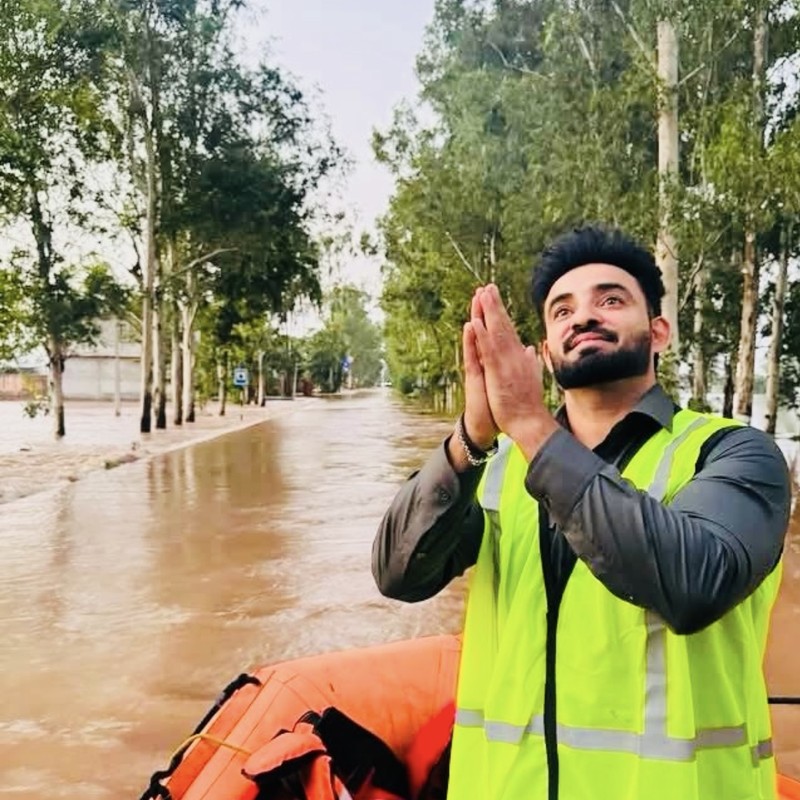
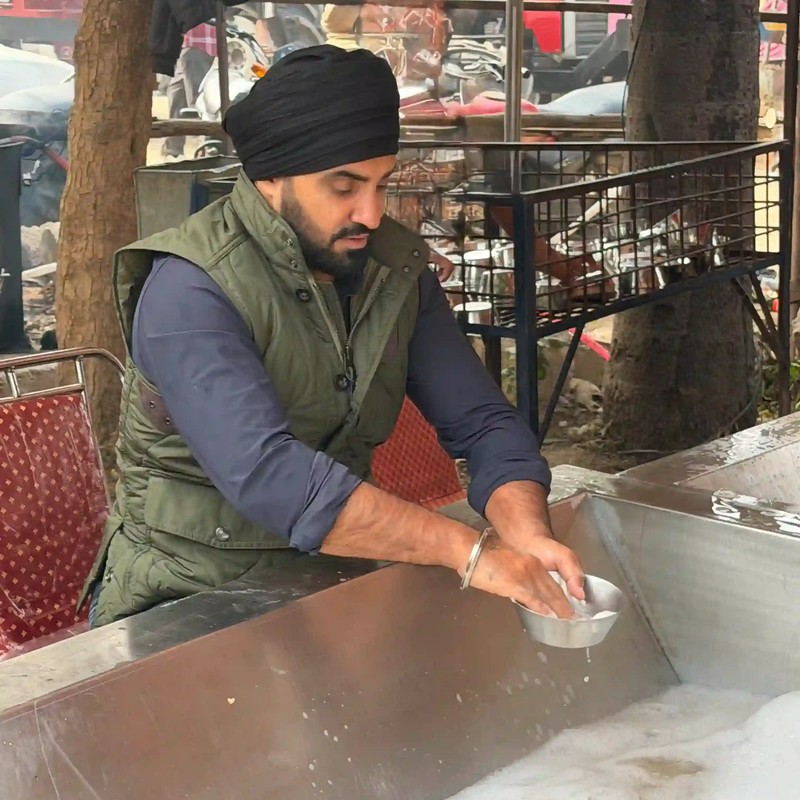
Anmol Sewa Foundation
Empowering Farmers,
Transforming Rural Communities
Our InitiativesTransforming Compassion
Transforming Compassion
into Real Action
Explore our ongoing programs and see how your contribution can create ripples of change.
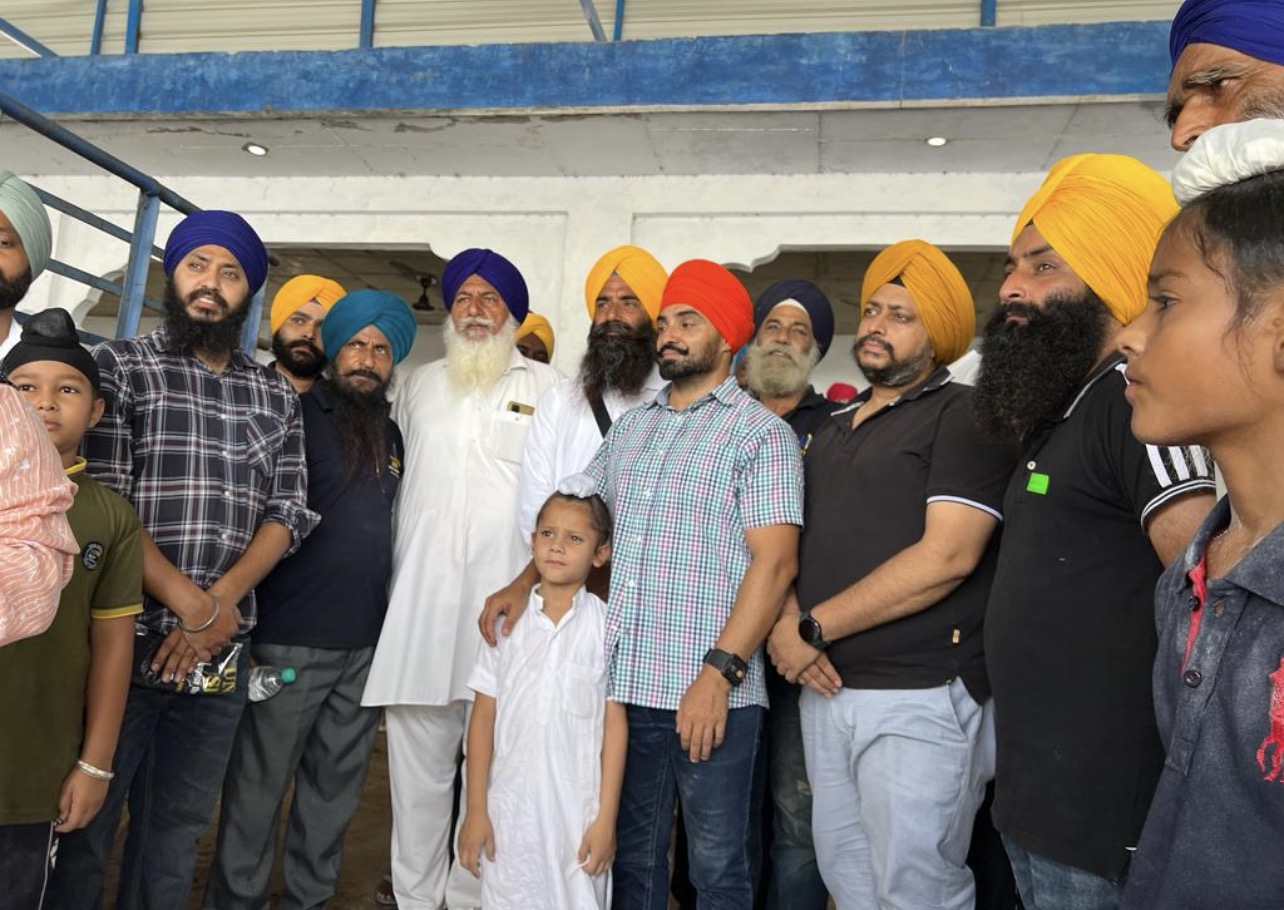
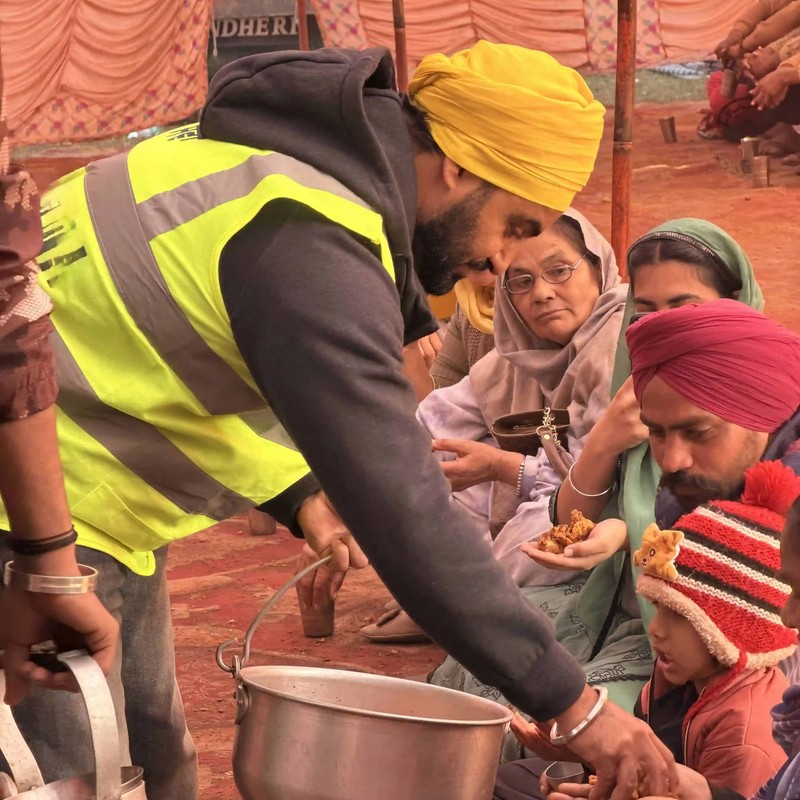
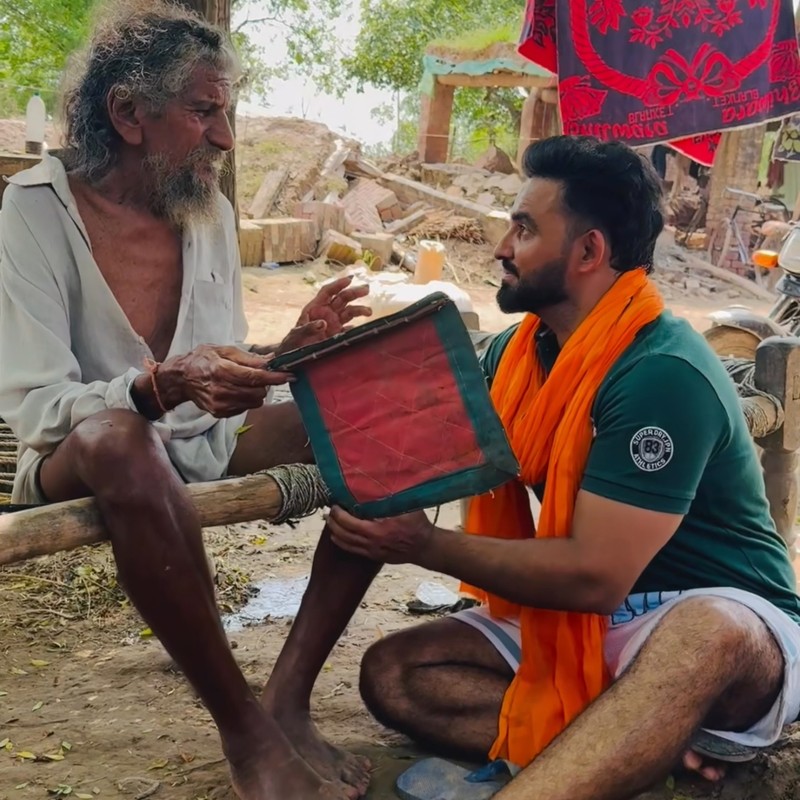
Supporting Flood-Hit Families Programs
Supporting Flood-Hit Families
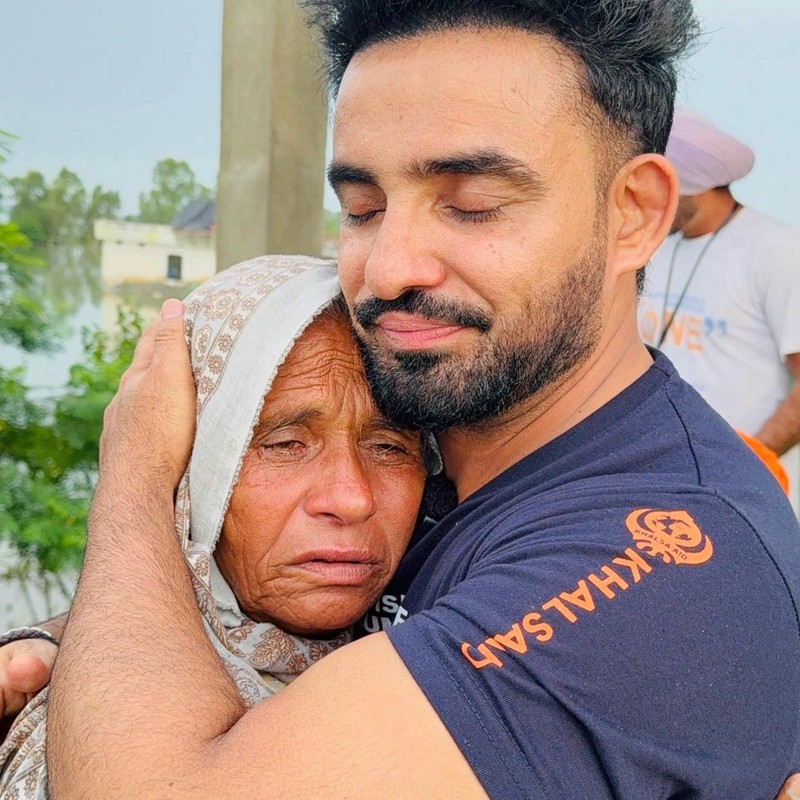
Disasters leave behind more than physical damage—they disrupt lives, shatter stability, and push thousands into uncertainty.
To restore dignity, security, and hope, our organization worked directly inside the most affected flood-zone villages, ensuring families received the emotional, material, and social support they urgently needed.
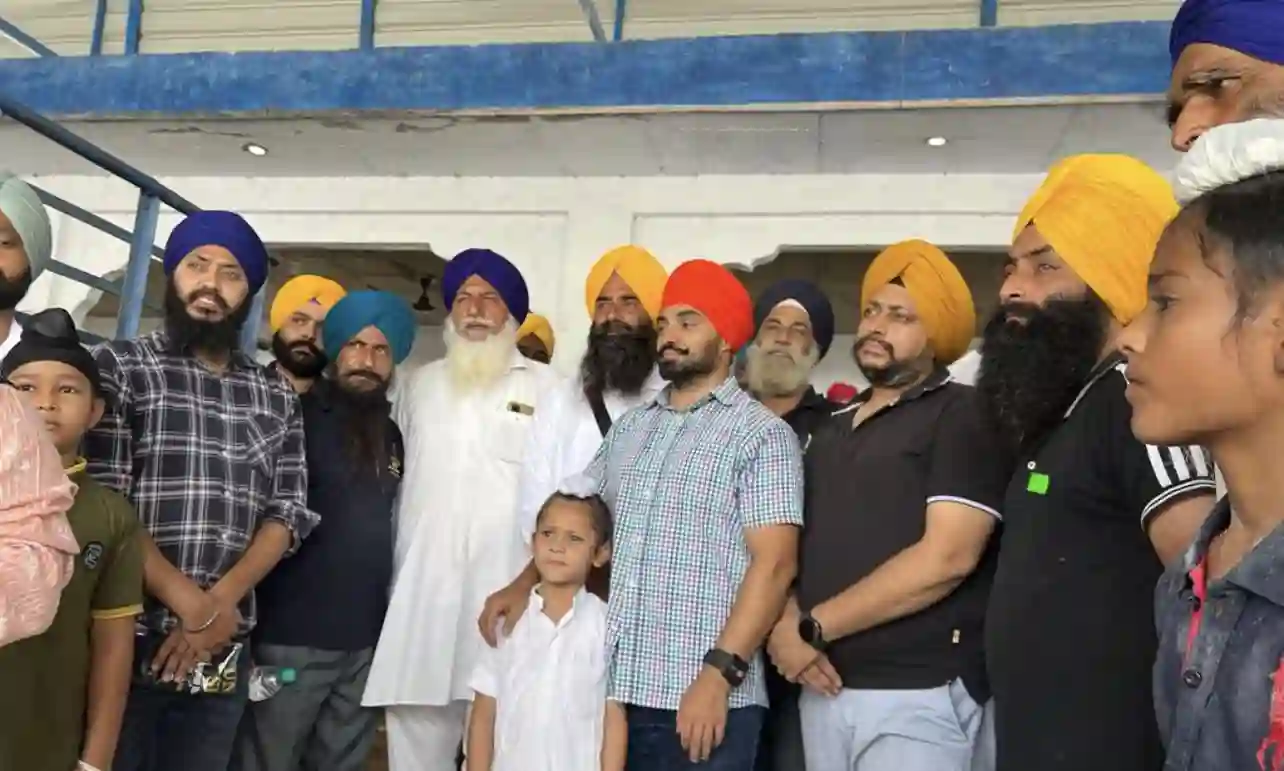
We partnered with community leaders, volunteers, and relief workers to make sure no family was left behind in their darkest moment.
Key Support Initiatives
Emergency Shelter & Stabilization
Temporary safe shelters were set up for displaced families, providing protection, warmth, and a sense of security during the crisis.
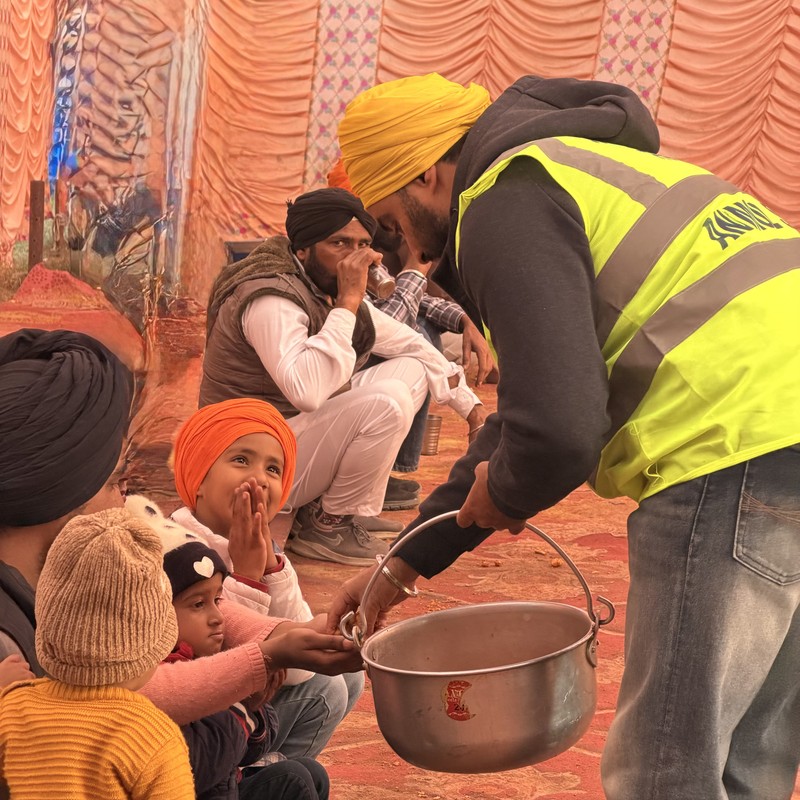
Daily Food Distribution
Freshly cooked meals and ration kits were supplied to families unable to access food due to flooding and displacement.
Family Counselling & Guidance
Volunteers assisted families with documentation, relief applications, and welfare support—helping them recover emotionally and practically.
Hygiene & Sanitation Aid
Distribution of hygiene kits ensured that disease outbreaks were minimized during the flood emergency.
Community Outreach & Recovery Support
Our outreach teams visited doorstep-to-doorstep, understanding local needs and tailoring relief efforts.
Workshops were conducted on:
- Safety during floods
- Identifying early signs of waterborne illnesses
- Household hygiene
- Emotional support for trauma recovery
This ensured that families felt supported not only physically but mentally and socially as well.
Impact & Outcomes
- Over 1,200+ families supported during the floods
- Stabilization aid delivered to multiple villages across Punjab & Haryana
- Improved hygiene and reduced post-flood disease cases
- Enhanced community resilience and preparedness
- Families received emotional, administrative, and financial guidance
Conclusion
Through dedicated, compassionate fieldwork, our flood-relief interventions helped affected families regain confidence and stability.
These efforts continue to build stronger, safer, and more prepared communities for the future
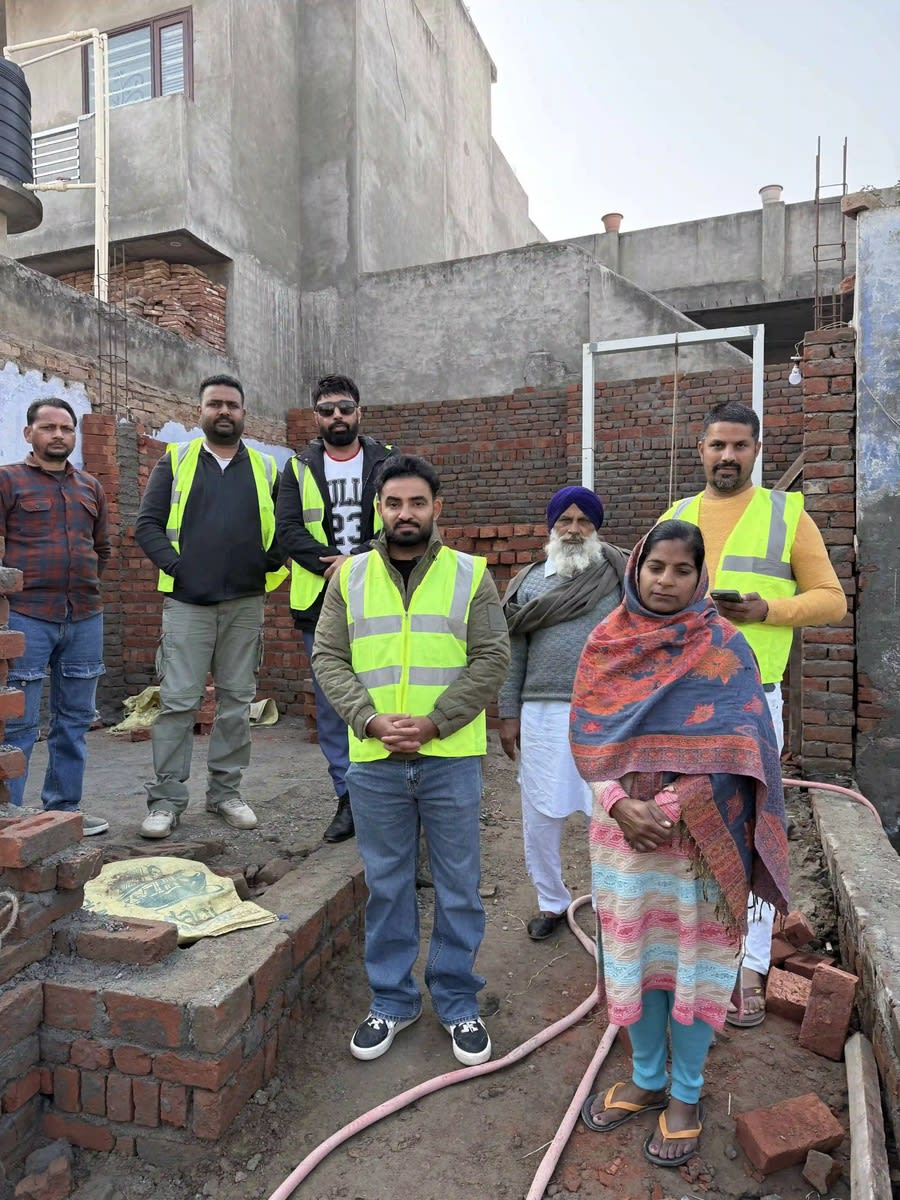
House Rebuild Mission Programs
House Rebuild Mission – Restoring Safe Homes
A home is more than bricks and walls—it is safety, identity, and dignity.
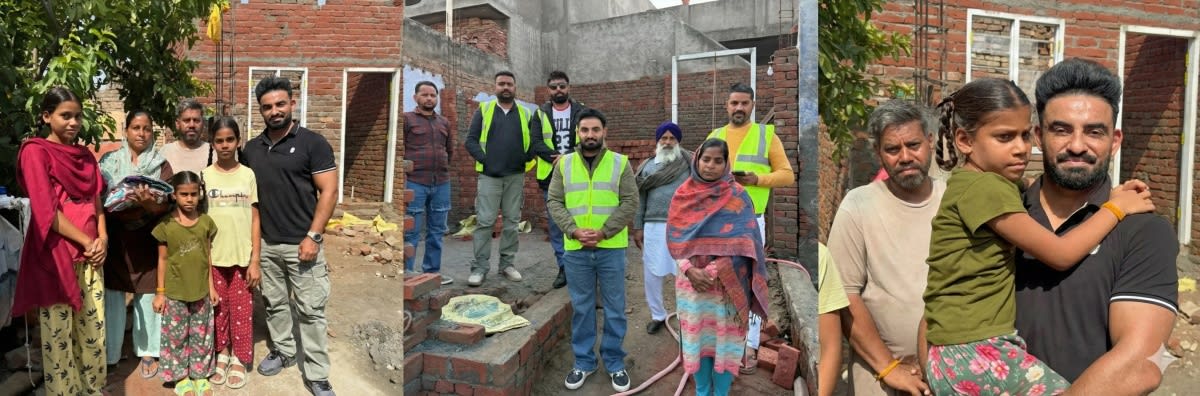
After the devastating floods, hundreds of families were left without shelter. Our mission was clear: help them rebuild, recover, and restart life with hope.
Key Rebuilding Initiatives
Construction of Strong, Safe Homes
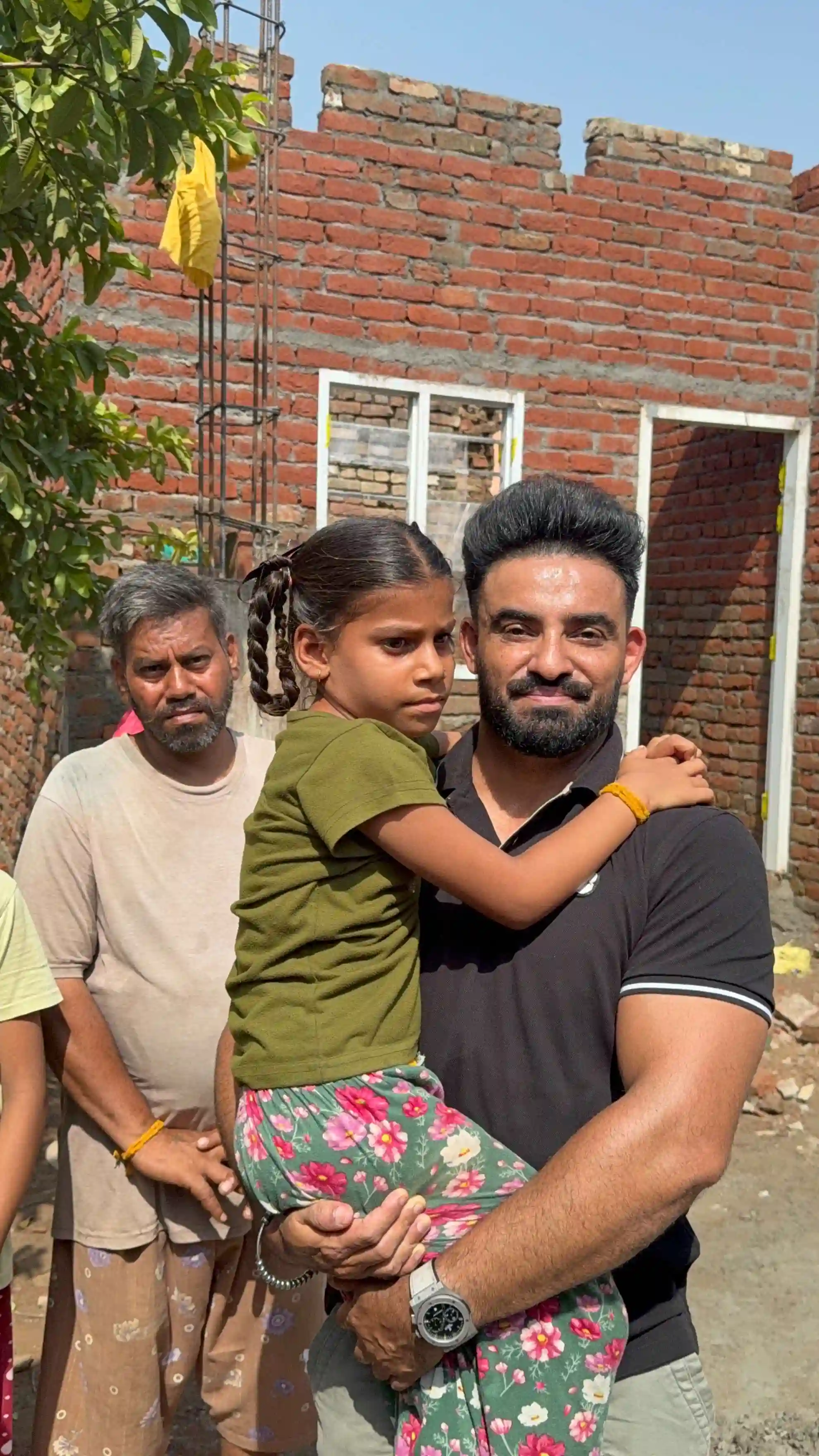
We rebuilt 525+ flood-resistant houses ensuring long-term durability, safe roofing, and disaster-resilient design.
Basic Household Setup Support
Families received basic home setup support including bedding, utensils, essential furniture, and storage materials.
Skilled Mason & Labour Deployment
Local masons were supported with wages, helping both families and local workers earn during rebuilding.
Sanitation & Water Facility Restoration
Every rebuilt home included proper toilets, handpumps, and drainage adjustments to prevent future waterlogging.
Community Awareness on Safe Housing
Families were educated on:
- Maintaining disaster-resistant homes
- Preparing emergency supplies for future risks
- Safe electrical and structural practices
This ensured long-term safety beyond reconstruction.
Impact & Outcomes
- 525+ families moved into safe, rebuilt homes
- Restoration of community stability and dignity
- Reduced vulnerability to future disasters
- Rebuilt villages became more structured and resilient
Conclusion
The House Rebuild Mission stands as a symbol of hope.
By restoring homes, we restored confidence—and helped families restart their lives with safety, comfort, and dignity.
Free Medical Camps & Health Support
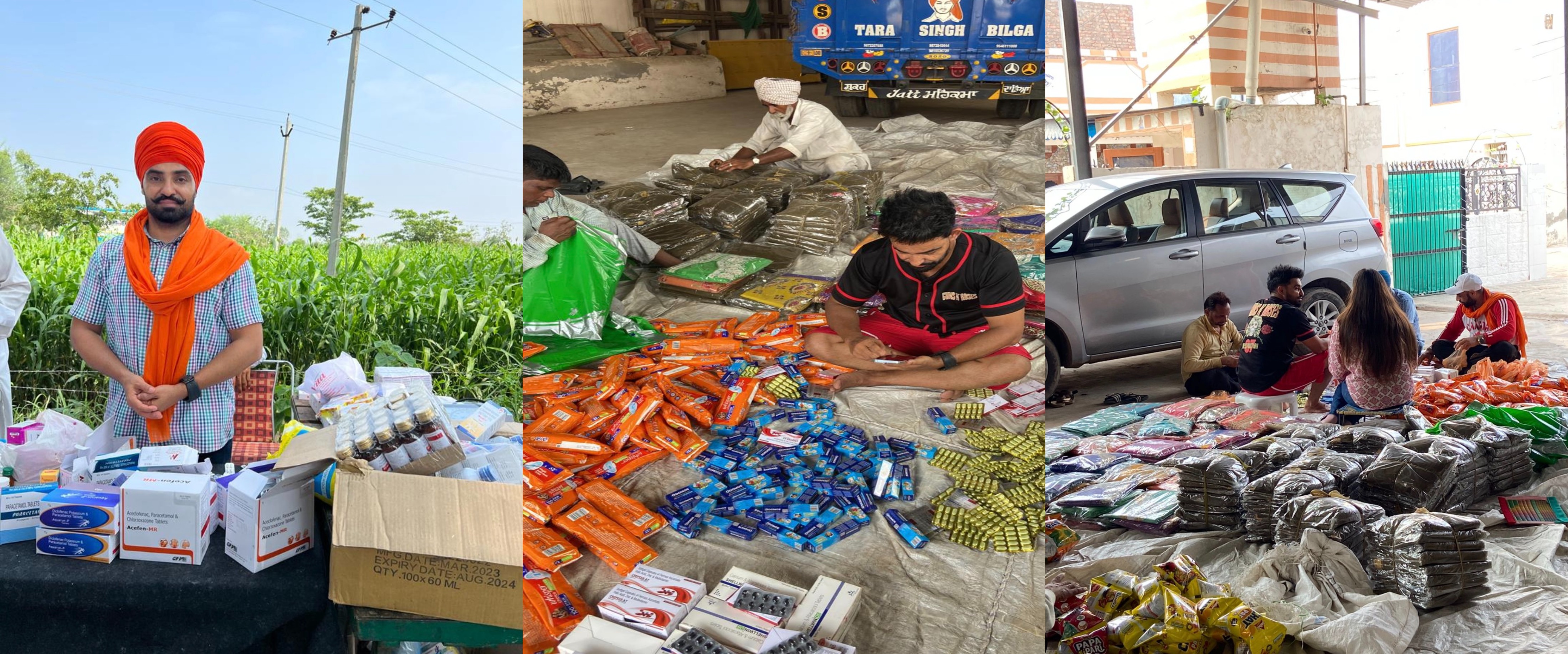
Free Medical Camps – Bringing Healthcare to Flood-Affected Families
Access to healthcare becomes critically limited during natural disasters.
Floods often destroy clinics, block transportation, contaminate water sources, and expose communities to life-threatening diseases.
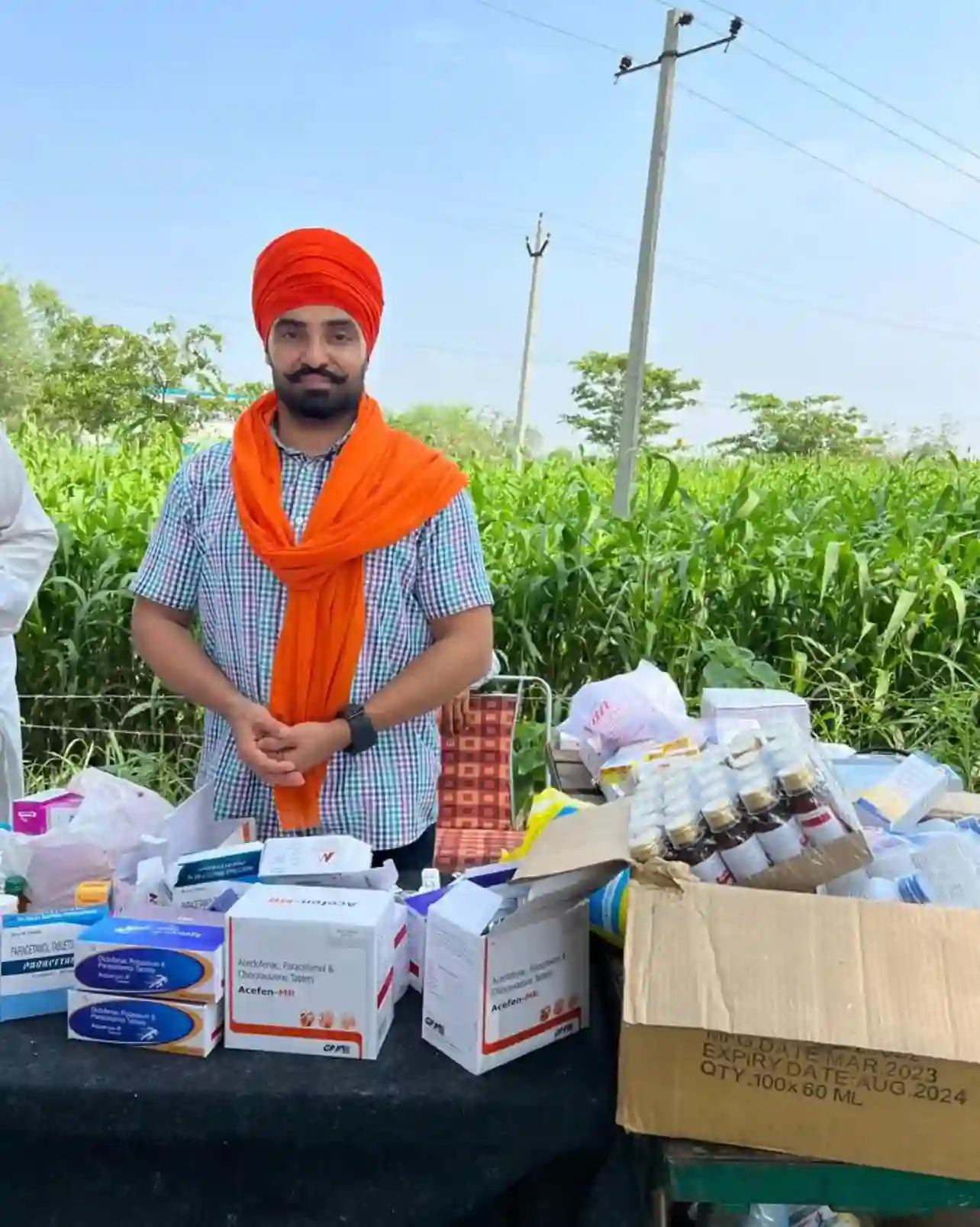
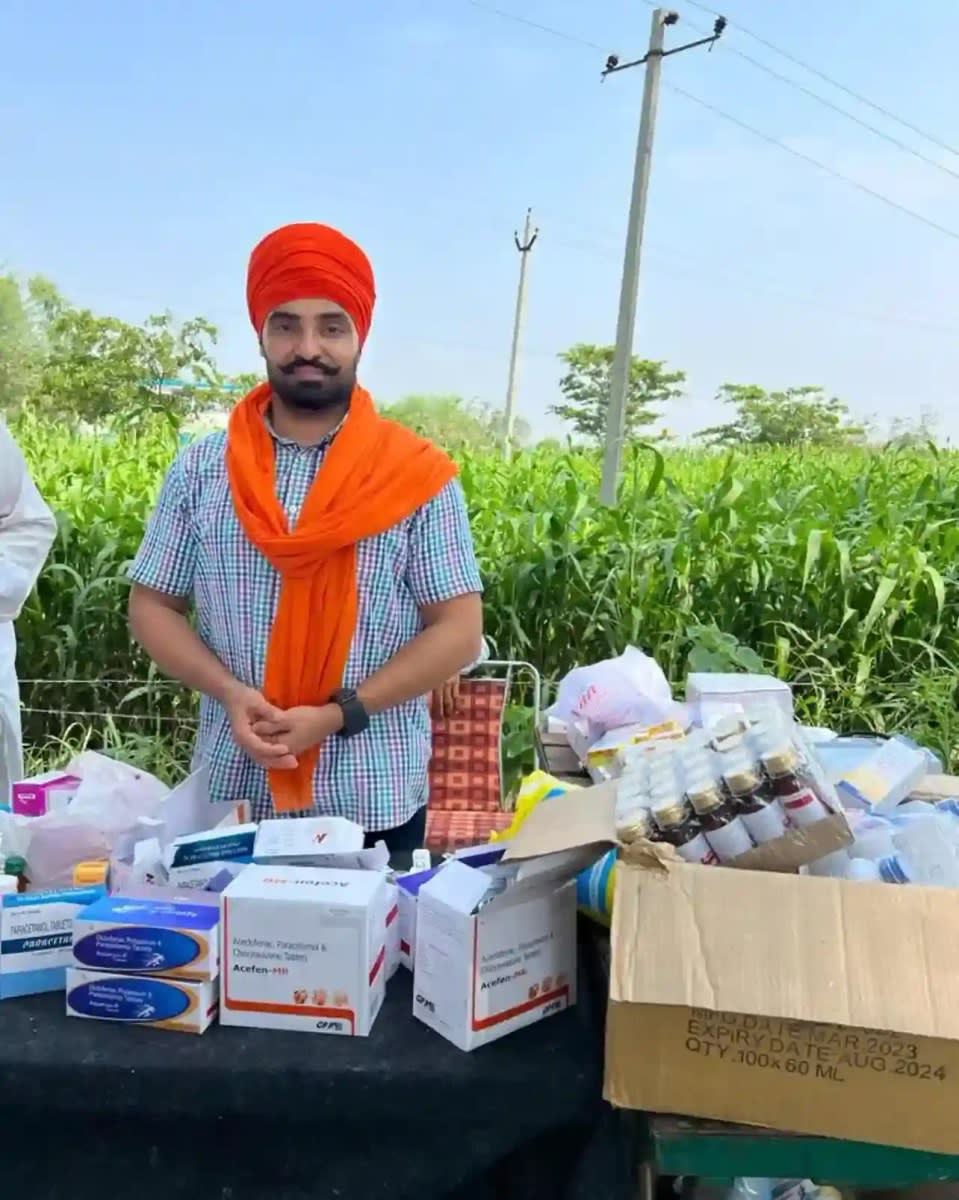
To ensure no family is left without medical care, our organization launched Free Medical Camps across multiple flood-affected villages, providing essential health services at their doorstep.
These camps became life-saving hubs for families who had no access to doctors, medicines, or diagnostic support during the crisis.
Key Medical Relief Initiatives
General Medical Check-ups
Experienced doctors conducted full health screenings to identify infections, injuries, and illnesses caused or worsened by flood exposure.
Treatment for Waterborne & Flood-Related Diseases
Immediate treatment was provided for conditions such as:
- Diarrhea
- Typhoid
- Skin infections
- Fever
- Respiratory infections
Medicines were distributed on the spot to prevent complications.
Women’s Health & Maternal Care Support
Specialized care was arranged for women through:
- Maternal check-ups
- Nutrition guidance
- Postnatal care
- Hygiene awareness
Ensuring mothers and children remained safe during recovery.
Vaccination & Immunization Support
Children received essential vaccines, while families were educated on immunization schedules to strengthen long-term health protection.
Hygiene & Preventive Health Awareness
Awareness sessions were conducted on:
- Clean drinking water
- Personal hygiene
- Disease prevention
- Avoiding contamination
- Safe sanitation practices
These drastically reduced the chances of post-flood infections and outbreaks.
Community Health Education & Outreach
Beyond medical check-ups, our health teams engaged with families through:
- Interactive awareness talks
- Small group discussions
- Visual demonstrations
- One-on-one counselling
Topics covered included first-aid, mental health stability, child nutrition, menstrual hygiene, and preventive lifestyle choices.
This ensured long-term impact beyond immediate medical relief.
Impact & Outcomes
- Thousands of patients received free medical treatment
- Early diagnosis prevented severe health complications
- Strengthened community awareness of hygiene & disease prevention
- Reduced risk of epidemics in flood-hit regions
- Improved maternal and child health during crisis recovery
- Increased access to essential medicines and consultations
Conclusion
Our Free Medical Camps played a vital role in safeguarding the health of communities during and after the floods.
By combining medical treatment, preventive education, and accessible healthcare, these camps ensured families could recover safely, confidently, and with restored well-being.
This program continues to uplift rural and vulnerable communities, promoting healthier, more resilient futures.
Food Relief & Hunger Support Programs
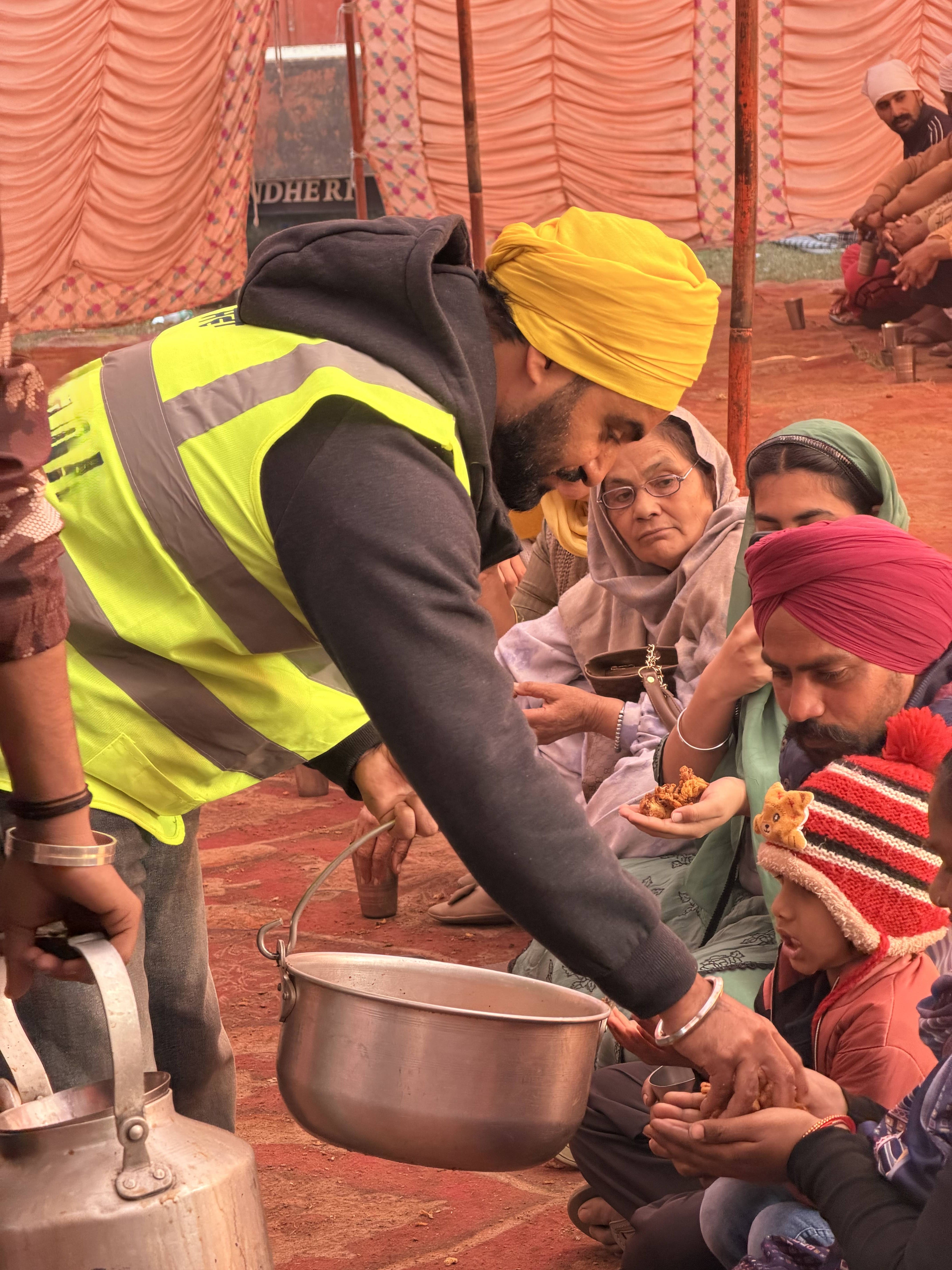
Food Relief – Standing with farmers and flood-affected communities through the crises of 2023 and 2025, providing timely relief, essential support, and hope when it was needed most.
Families lose homes, ration supplies, livestock, and livelihood — leaving thousands without the means to arrange a single meal.
To combat hunger and restore dignity, our organization implemented a strong and compassionate Food Relief Program, delivering timely meals, ration kits, and nutritional support to affected families.
This initiative ensured immediate survival, nutritional stability, and hope during the toughest times.
Key Food Relief Initiatives
Fresh Cooked Meal Distribution
Community kitchens were set up in flood-hit areas to serve:
- Hot cooked meals
- Nutritious dal, rice, chapati
- Vegetables and protein-rich food
- Meals for infants, elderly, and pregnant women
These ensured families received safe and hygienic food when they needed it most.
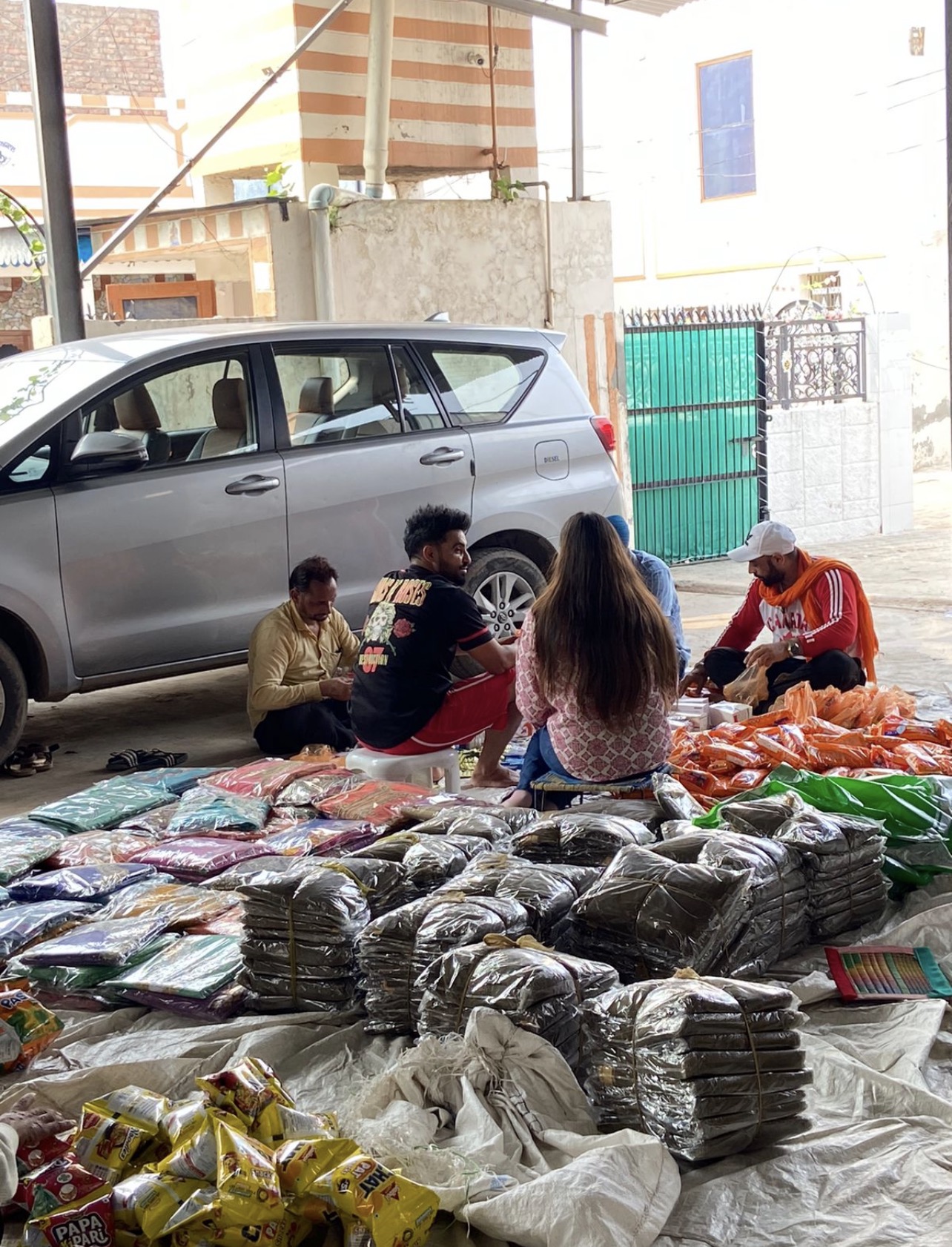
Ration Kits for Monthly Support
To support long-term recovery, families received complete ration kits containing:
- Wheat / Rice
- Dal / Pulses
- Edible Oil
- Salt & Sugar
- Masalas
- Tea
- Biscuits
- Sanitary & hygiene essentials
These monthly kits helped families survive until they could return to work and stability.
Special Nutrition for Children & Women
Recognizing the vulnerability of children and women during crises, the initiative provided:
- High-nutrition snacks
- Milk powder for infants
- Iron & vitamin supplements
- Hygienic food packs for pregnant & lactating mothers
This helped prevent malnutrition and boosted immunity during recovery.
Village-to-Village Distribution Drive
Our volunteers reached even the most remote flood-hit communities through:
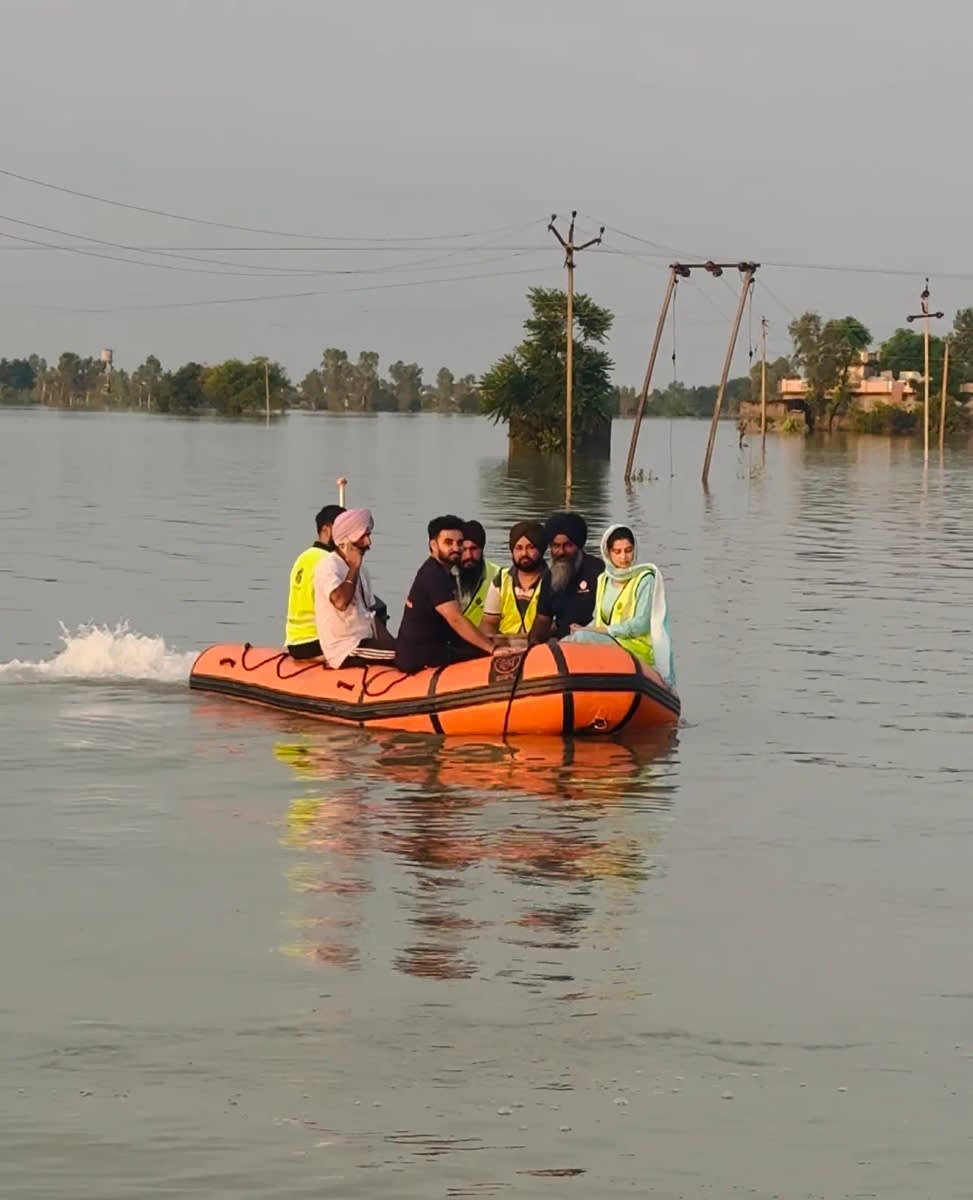
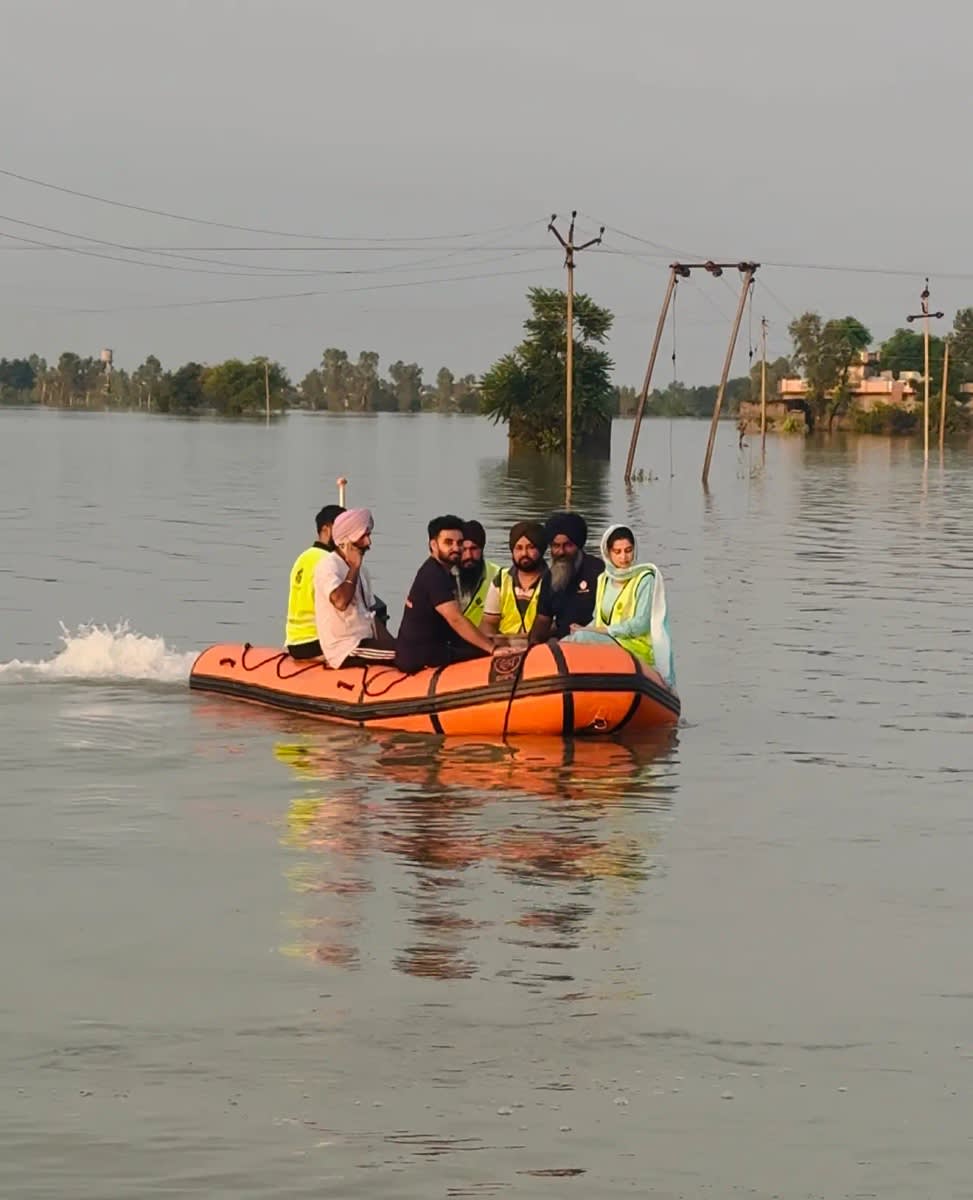
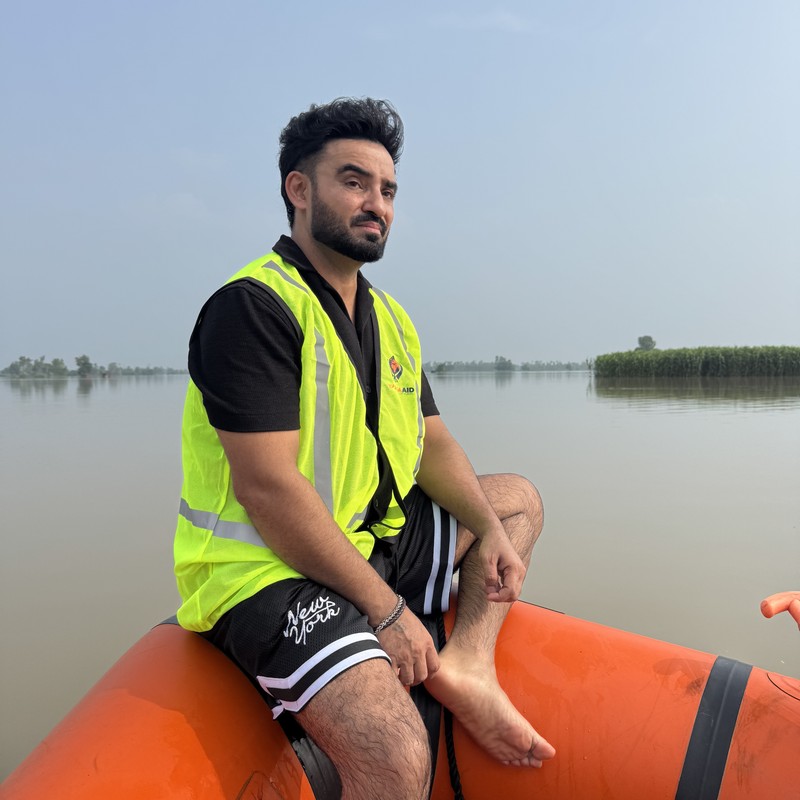
- Boat deliveries
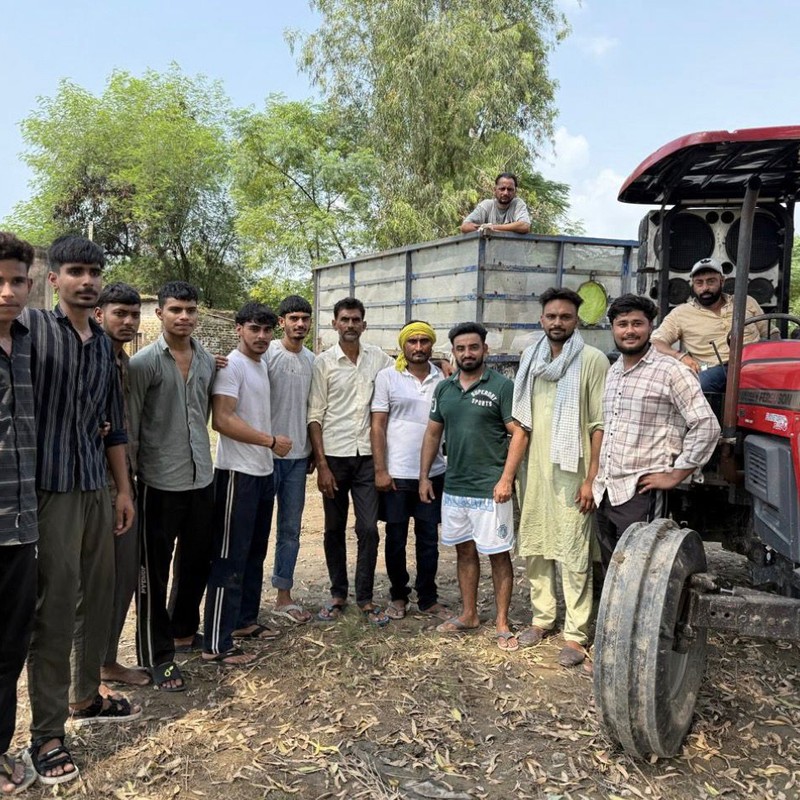
- Tractor distributions
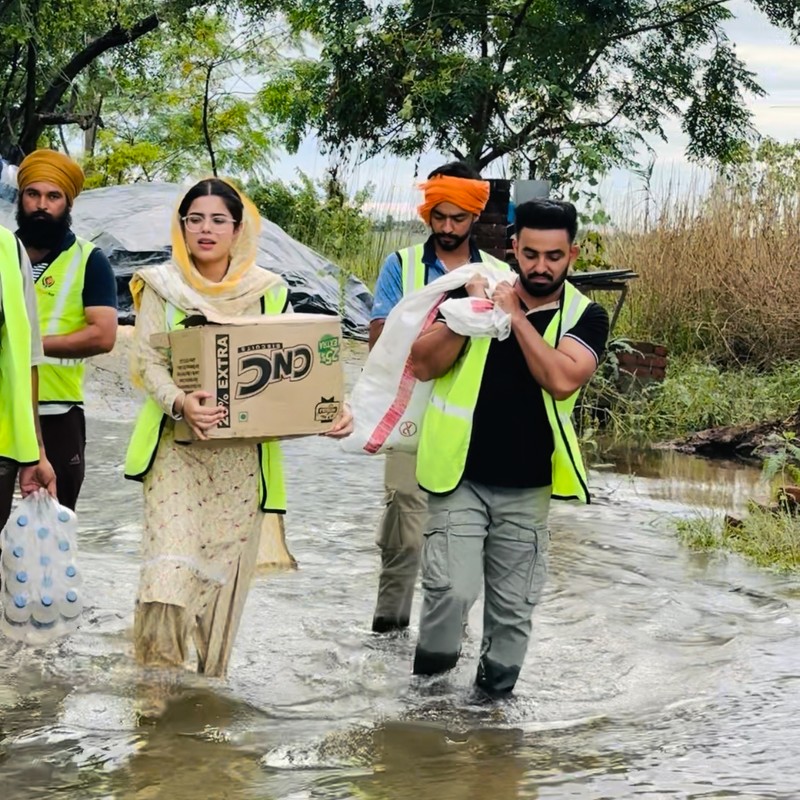
- On-foot supply transport
- Local partner coordination
This ensured no family was left behind, even in cut-off areas.
Hunger Awareness & Community Engagement
The team also conducted:
- Awareness on safe food handling
- Clean cooking practices
- Avoiding contaminated water
- Nutrition guidance for vulnerable families
This created long-term behavioural changes that supported better health.
Impact & Outcomes
- 1,000,000+ meals served across villages
- Thousands of ration kits distributed to families in crisis
- Improved nutrition for children & women
- Immediate relief for families with no source of food
- Strong community support and restored dignity
- Reduced hunger-related health risks
Conclusion
The Food Relief Program became a lifeline for flood-affected families struggling for daily survival.
By providing cooked meals, ration kits, and nutritional care, our initiative ensured that hunger did not become an additional tragedy during the disaster.
This humanitarian effort continues to uplift communities with compassion, consistency, and unwavering support — ensuring no one sleeps hungry.
Disaster & Community Support Programs
Disaster & Community Support
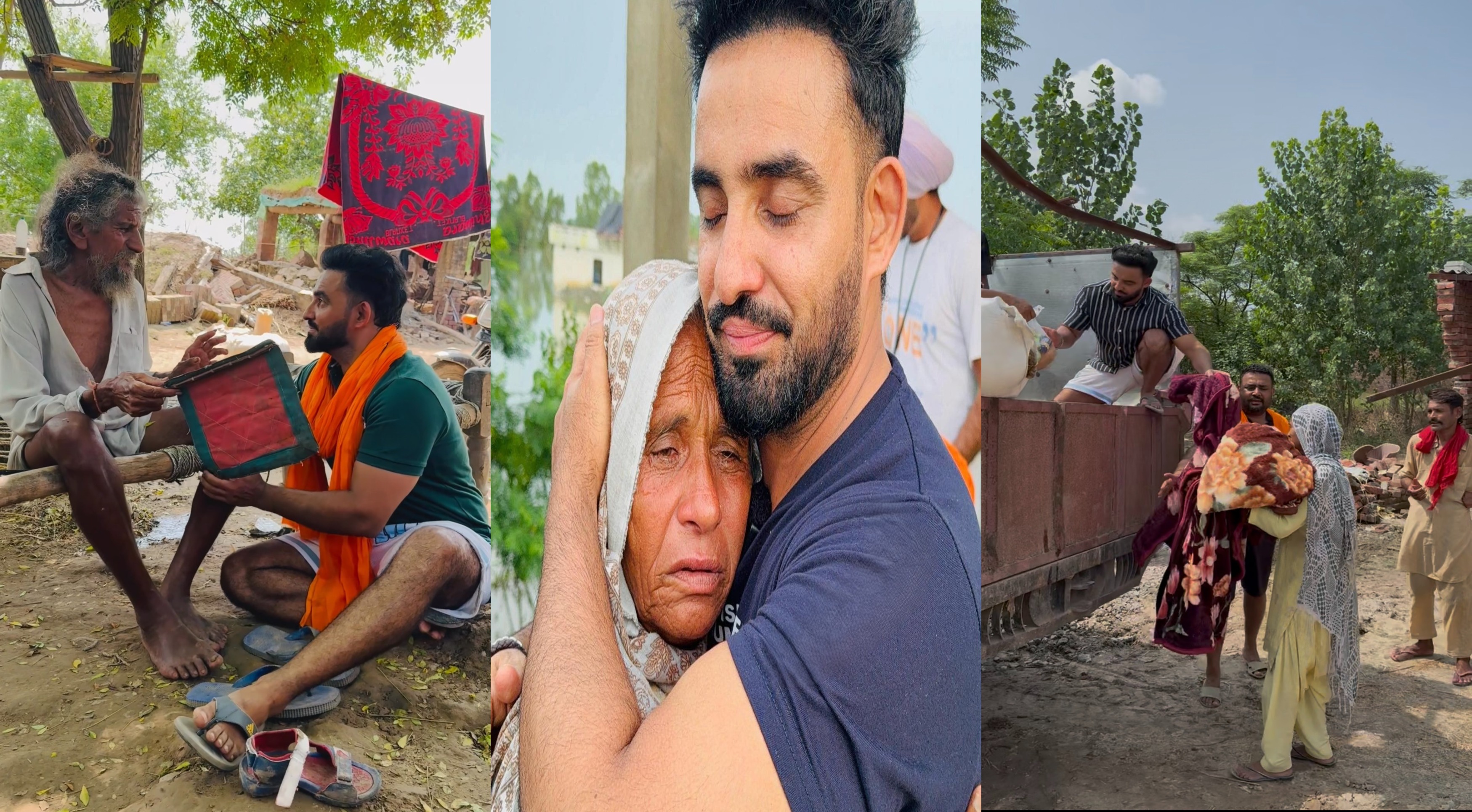
When disasters strike, entire communities face sudden loss — homes destroyed, roads washed away, livelihoods disrupted, and families left with nothing.
In such moments, immediate, organized, and compassionate support becomes a lifeline.
Our Disaster & Community Support Program focuses on providing rapid relief, long-term recovery, and emotional strength to affected communities, ensuring they regain safety, stability, and dignity.
From flood relief in Punjab and Haryana (2023–2025) to ongoing community rehabilitation, our teams are consistently present where help is needed the most.
Key Disaster Relief Interventions
Emergency Response & Rapid Relief
Our trained volunteers were among the first responders during floods and crises, offering:
- Immediate distribution of food packets
- Safe drinking water
- Temporary shelters
- Emergency clothing and blankets
- Medical first-aid support
This rapid response saved lives and protected families in unsafe environments.
Support for Displaced Families
Many families were forced to leave their homes during the floods.
We provided:
- Temporary accommodation
- Safe community shelter spaces
- Daily survival essentials
- Emotional support and counselling
This ensured families felt secure until they could return home.
Essential Supplies Distribution
To help people survive the aftermath of disasters, our team distributed:
- Hygiene kits
- Baby care essentials
- Dry ration and ready-to-eat food
- Clean drinking water
- Sanitary items and medicines
These efforts helped families cope with the critical days after the disaster.
Community Engagement & Local Support Network
We worked closely with:
- Village panchayats
- Local authorities
- Community volunteers
- Grassroots organizations
This collaborative approach ensured the right help reached the right people at the right time.
Rehabilitation & Long-Term Recovery
Beyond immediate relief, our program supports communities in rebuilding life after the crisis through:
- Rebuilding damaged homes
- Restoring hand-pumps & clean water supply
- Repairing community infrastructure
- Helping families resume livelihood
- Education support for affected children
This long-term approach strengthens communities far beyond the disaster period.
Awareness & Preparedness Activities
To reduce future risks, we conducted:
- Disaster preparedness workshops
- Safe evacuation awareness
- Water safety education
- Community readiness training
These sessions empower communities to respond more safely during future crises.
Impact & Outcomes
✔ 1,000+ people supported during Punjab–Haryana floods
✔ Thousands received food, medical aid, and emergency relief
✔ Shelter & rehabilitation support provided to displaced families
✔ Stronger community networks built for faster future response
✔ Long-term stability restored through rebuilding efforts
These interventions have built hope, resilience, and unity among communities devastated by floods and natural calamities.
Conclusion
The Disaster & Community Support Program stands as a symbol of humanity during crisis.
By providing rapid relief, emotional support, and long-term recovery assistance, we empower communities to rebuild their lives with confidence and dignity.
Our continued mission is simple yet powerful:
Be present, be prepared, and be the hand families can hold during their toughest times.
Environmental conservation
During the financial year 2023–24, Anmol Sewa Foundation continued its commitment to promoting environmental conservation and ecological sustainability through impactful awareness and action-based initiatives. Recognizing the urgent challenges of climate change, pollution, and resource depletion, the organization mobilized communities—especially students and youth—to adopt responsible environmental practices.
Key Initiatives
- Tree Plantation Drives: Over 2,000 saplings were planted across schools, community centers, and public spaces, promoting green cover and environmental ownership.
- Cleanliness & Waste Management Campaigns: Conducted under the theme “Clean and Green Communities”, these drives emphasized waste segregation, recycling, and reducing single-use plastics.
- Awareness Activities: Organized workshops, rallies, and school competitions focusing on biodiversity conservation, water management, and reducing carbon footprints.
Impact
- Community Participation: More than 3,000 participants, including students, teachers, and local residents, actively engaged in environmental drives.
- Improved Ecosystem: Increased green cover and improved community hygiene contributed to cleaner surroundings and better air quality.
- Sustainable Practices: Awareness sessions inspired eco-friendly habits such as composting, water conservation, and energy efficiency.
- Collective Ownership: Schools and communities took responsibility for maintaining cleanliness and nurturing planted trees, ensuring long-term sustainability.
Conclusion
Through these sustained efforts, Hareram Bhagat Shikshan Sansthan successfully fostered environmental awareness, civic responsibility, and collective action—paving the way toward a greener, cleaner, and more sustainable future for all.
Our Dedicated Team
The People Behind the Mission
Our strength lies in our people — passionate individuals working tirelessly to uplift communities and create lasting impact.


Our ActivitiesBuilding a Better Future,
Building a Better Future,
One Step at a Time
We are dedicated to holistic development, touching every aspect of life from nature to nutrition.
121+
Houses Built
1,200+
Family Supported
1,000+
Trees Planted
350+
Animal Welfare & Protection
01
Environment Protection
Anmol Sewa Foundation, a leading environmental NGO in India, drives tree plantation, pollution control, water conservation, Parali burning awareness, and climate action across Punjab and North India.
02
Livelihood & Disaster Support
Our NGO livelihood program in India provides shelter rebuilding, ration kits, crop diversification training, and sustainable income support to flood-affected and underprivileged families across rural India.
03
Skill Development
As a dedicated skill development NGO in India, we provide vocational training, capacity building, and employment-linked courses to youth, women, and rural families across 8 states.
04
Food Safety & Nutrition
We distribute nutritious food kits, cooked meals, and ration supplies to impoverished families and children across India, ensuring no family sleeps hungry through our trusted NGO food programs.
05
Disability Inclusion & Support
Our NGO provides mobility aids, medical rehabilitation, and financial assistance to differently-abled individuals and families across India, ensuring equal dignity and opportunity for all
06
Animal Welfare & Protection
Anmol Sewa Foundation's animal welfare program rescues abandoned, injured, and stray animals across India, providing medical treatment, food, and shelter through our compassionate volunteer network.
Testimonials
What Our Beneficiary Say About
Our Work
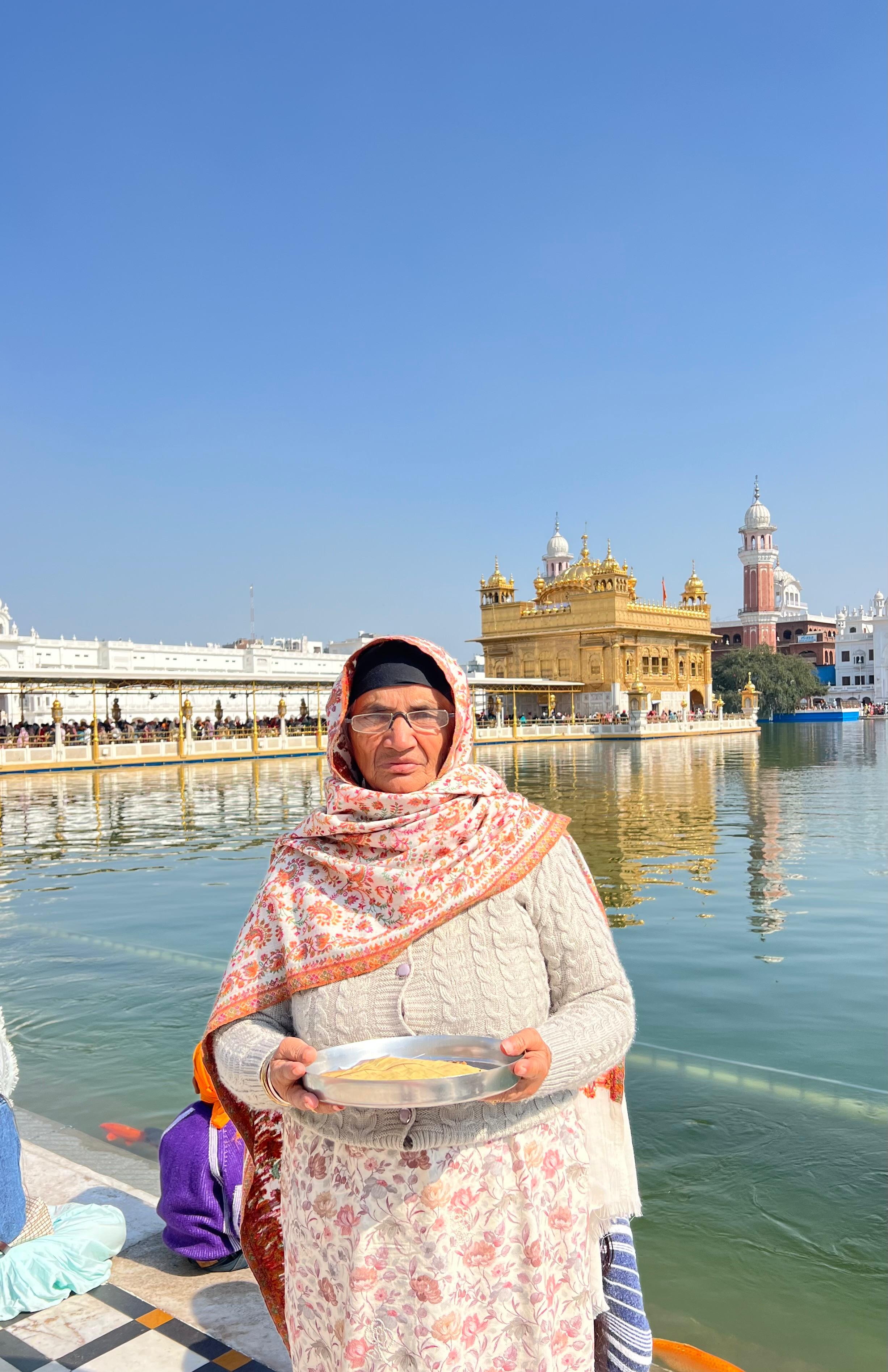
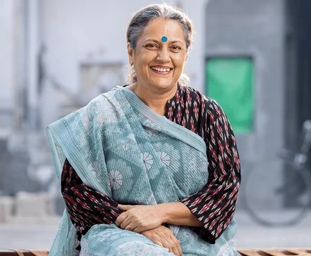
Gurpreet Kaur
“When the floods destroyed our home, we had nothing left. Anmol Sewa Foundation reached our village before anyone else. They gave us food, blankets, an...”
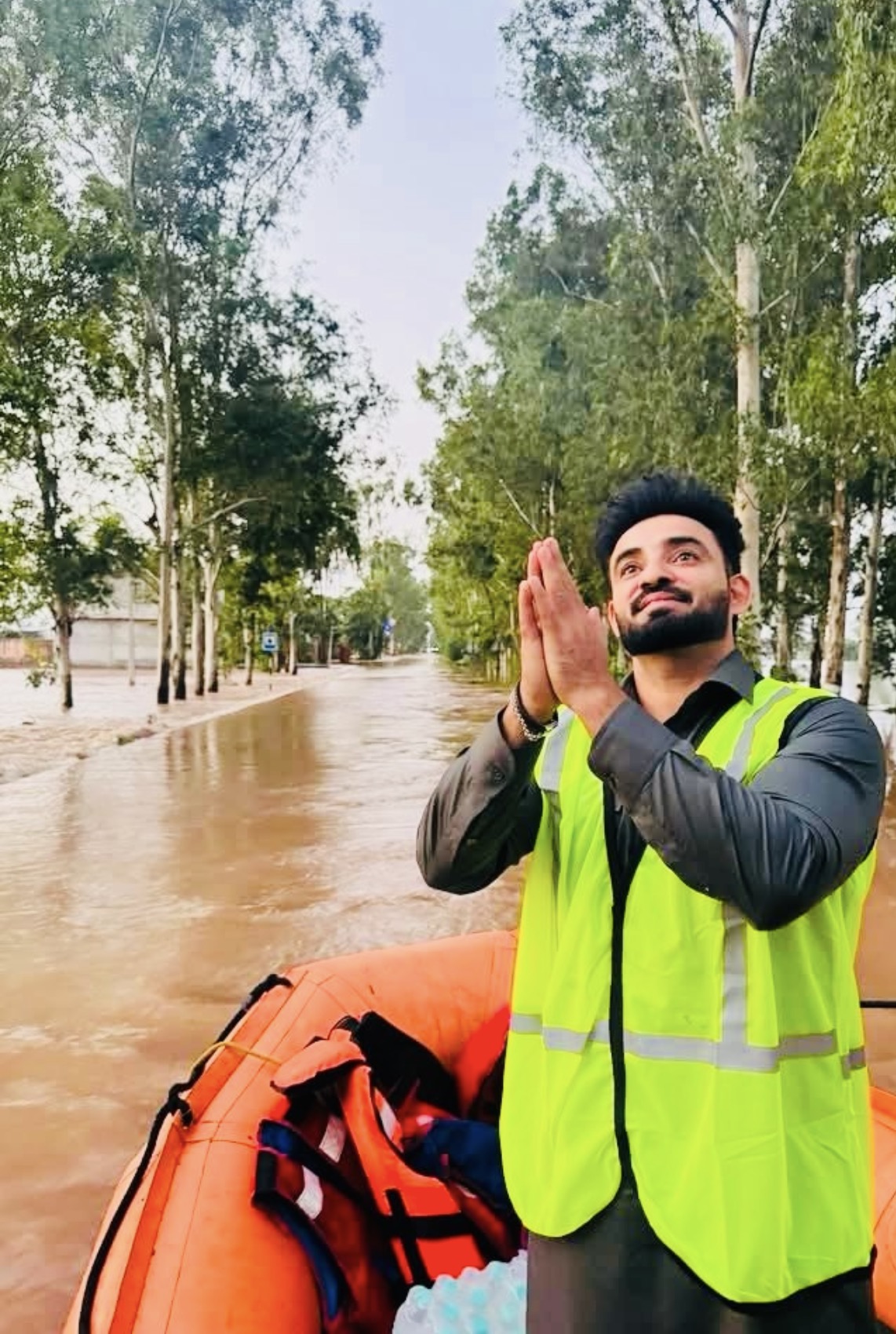
Navjot Singh
“Winters are very harsh in our area, and we didn’t have enough warm clothes. The blankets and jackets provided by the foundation protected my children ...”
Sukhleen
“After the floods, I had no money to repair my broken house. Rainwater would enter every night. Their team repaired the walls, installed a new door, an...”

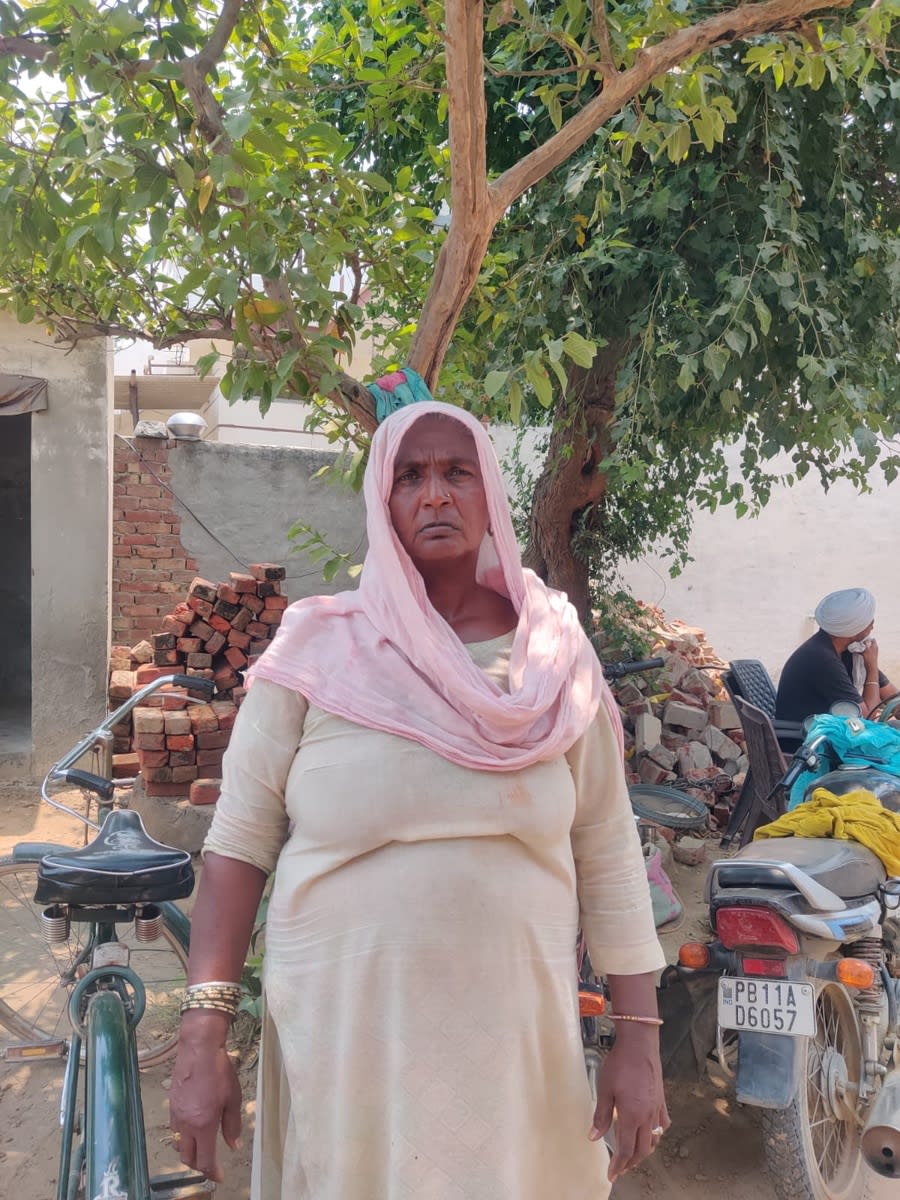
Harbans
“We are old and could not rebuild the damaged rooms. The volunteers arranged materials and labour and repaired our roof and flooring. Generous voluntee...”
Gurmail Kaur
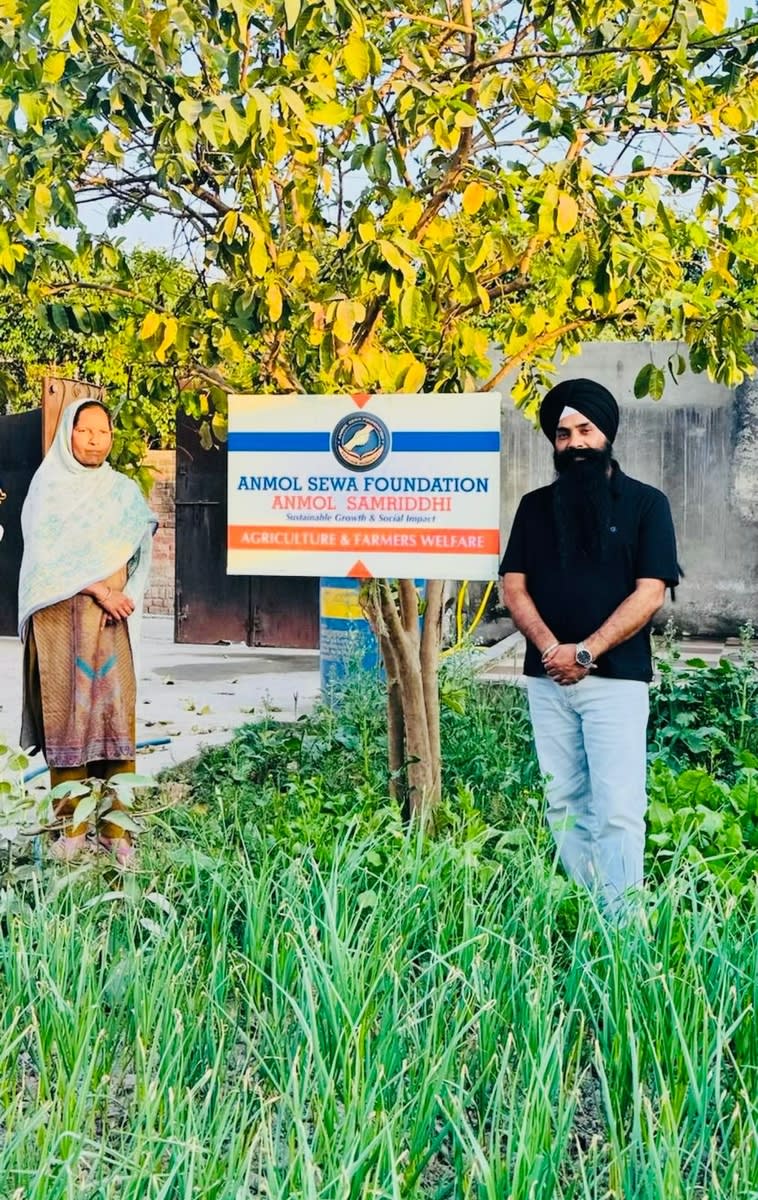
“"I am deeply grateful to Anmol Sewa Foundation for the support they have given to my family. Earlier, we did not have a proper house to live in. Our o...”
Jaswinder Kaur
“"I am a daily wage worker, and it is not always easy to manage the household expenses of my family. Buying vegetables regularly from the market has be...”
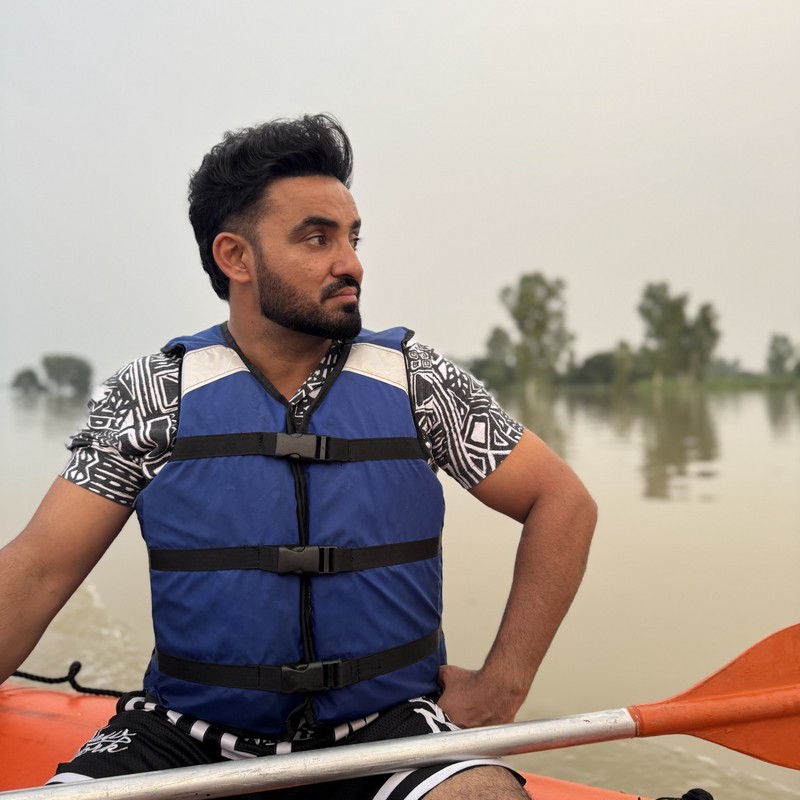
Our Work in Action
Photo Gallery
Common Questions
Frequently Asked
Questions
Anmol Sewa Foundation's mission is to be the best NGO in India by creating meaningful, lasting change in underprivileged communities through skill development, women empowerment, livelihood programs, rural healthcare, and environmental protection with a commitment to sustainability, social justice, and dignity for all.
Anmol Sewa Foundation operates across Punjab and Haryana, delivering grassroots programs focused on skill development, women empowerment, livelihood support, and rural healthcare at the community level.
As a leading NGO in India, we are dedicated to building resilient communities through sustainable agriculture, climate-smart village models, women empowerment, and house reconstruction initiatives. Our programs also provide disaster relief and community support to help families recover, rebuild, and thrive sustainably.
Anmol Sewa Foundation was established in 2002 by Dr. Nirmal Singh, a renowned social reformer and environmental advocate from Punjab. He has been championing causes including water conservation, the 'No Parali Burning' movement, and building India's most trusted NGO for grassroots community development since 1997.
Renowned Punjabi folk singer Resham Singh Anmol is a proud supporter of Anmol Sewa Foundation. He uses his global platform to raise awareness about environmental protection, women empowerment, and rural welfare. He has also contributed personally to selected initiatives, supporting the Foundation’s livelihood and social welfare programs across India.
Your Help Can Change Lives
Join a trusted NGO in India and contribute towards skill development, women empowerment, and rural healthcare initiatives.